Dani Garbarz (H.95): from media to Senegal’s dairy revolution
Press, social impact, and the agri-food industry in West Africa: Dani Garbarz’s career defies easy categorization. As co-founder of the Laiterie du Berger, he has spent over twenty years helping build what has become an iconic project in Senegal—an entrepreneurial journey where purpose and performance intersect.
Dani Garbarz belongs to a rare breed of entrepreneurs whose names remain relatively discreet, even as their innovations reach a wide audience. A forward-thinker, he has consistently anticipated shifts in consumer behavior. After graduating from HEC in the 1990s, he first ventured into entrepreneurship by publishing CD-ROMs in partnership with niche magazines and Sarah Herz (H.97). The format, however, quickly became obsolete. He then founded Éditions Addictives, emerging as a pioneer in digital publishing: mobile reading, serialized storytelling, and romance content designed for binge consumption. His approach was firmly user-centric—far removed from the traditional codes of publishing.
At the same time, Multimédia Press developed a model based on data-driven content and performance optimization. Once again, the same guiding principle prevailed: understanding real user behavior to build sustainable business models. Yet it was several thousand kilometers away, in Senegal, that his entrepreneurial journey took on an entirely new dimension.
A simple, almost obvious starting point
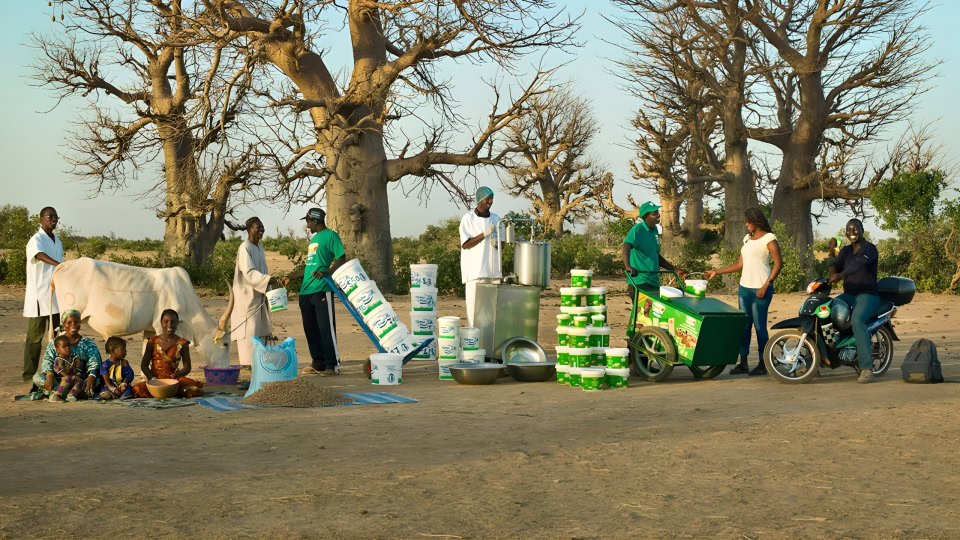
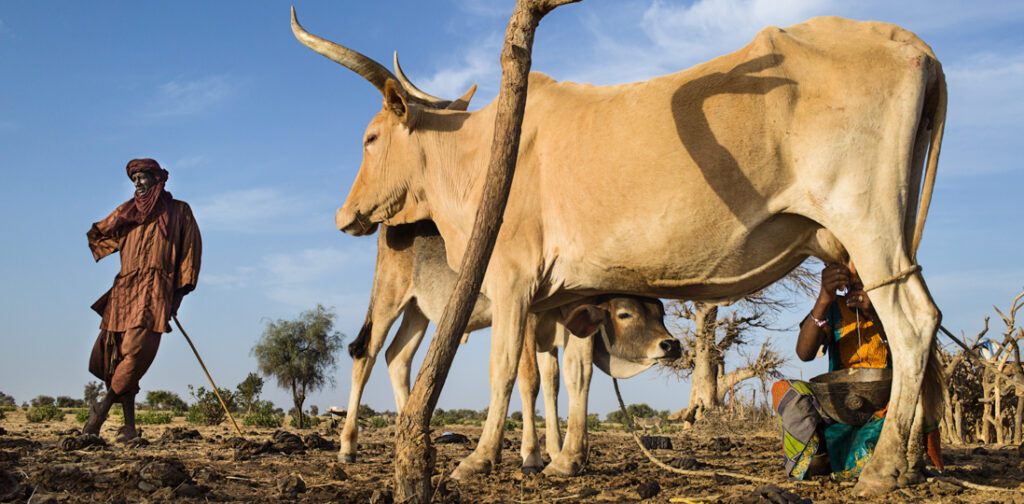
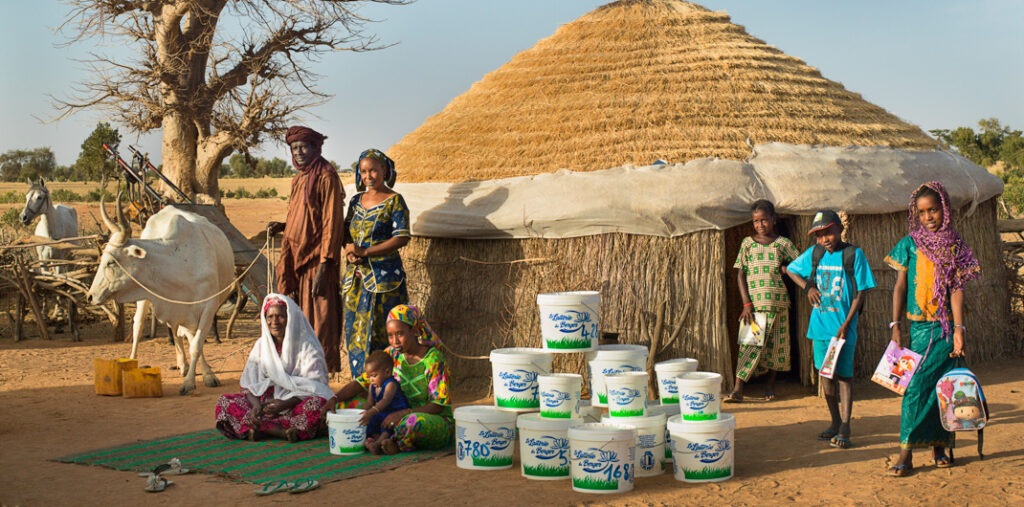
The story of the Laiterie du Berger began with a straightforward idea rooted in common sense. “The company was founded in the early 2000s with the goal of building a milk processing plant to produce yogurt locally in Senegal.” At the origin of the project is Bagoré Bathily—a Senegalese veterinarian, the son of a friend of Dani’s father and now a close collaborator—driven by a clear ambition: to structure a non-existent dairy sector. “There was no dairy industry at all. His life’s mission was to build one.”In northern Senegal, Fulani herders produce milk but lack market access. Creating a dairy company therefore meant much more than processing milk—it required building an entire value chain: collection, farmer support, industrial production, marketing, and distribution.
“From the outset, Baba (Bagoré Bathily) focused on the specific needs of herders. Producing quality milk requires proper methods, good livestock feed, sanitary control procedures, training… He was able to put all this in place because he is a veterinarian and deeply understands the herding world. He earned their trust—he speaks their language,” Dani explains.
Dolima: Democratizing Yogurt, Structuring a Market
Very quickly, the Dolima brand became the operational engine of this ambition. “Dolima is the yogurt brand.” The challenge was to make the product accessible to all in a country where dairy consumption is part of everyday life. “Dolima became small, affordable pouches—like a snack for children—accessible across income levels.” The success exceeded expectations. “Over the past five years, we’ve seen average growth of 25%, reaching €50 million in revenue this year. At the scale of Senegal, that’s massive—it’s like a CAC 40 company in France,” he says with a smile. Today, the Laiterie du Berger captures between 70% and 80% of the country’s formal yogurt market—proof that a local model can compete with international standards.
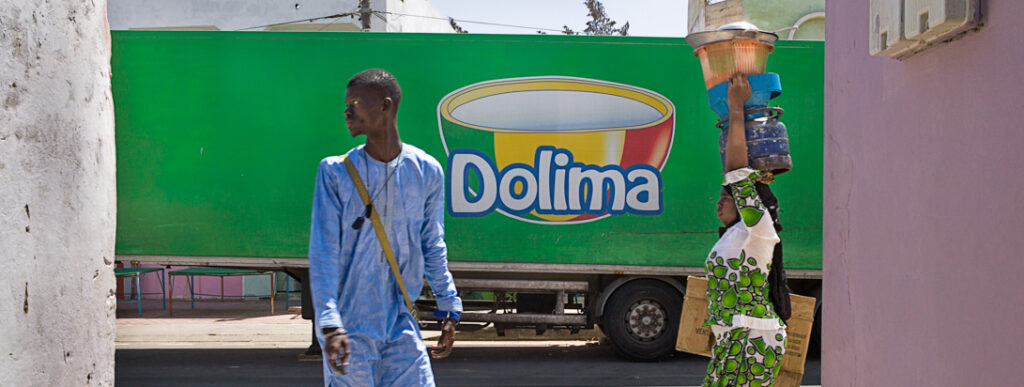
Scaling industry in a constrained environment
Behind this success lies a far more complex reality: building an industrial operation in an environment with limited infrastructure. “There’s no reliable electricity—you have to generate your own power, your own water,” explains Dani, who travels there about twice a year. Moving from artisanal production to industrial scale is a major challenge. “Becoming an industrial company is much more complex when the infrastructure isn’t there.” This milestone was nevertheless reached with the construction of a new plant near Dakar. “The new facility has the capacity to produce 150,000 tons per year”—five times the output of the original plant.
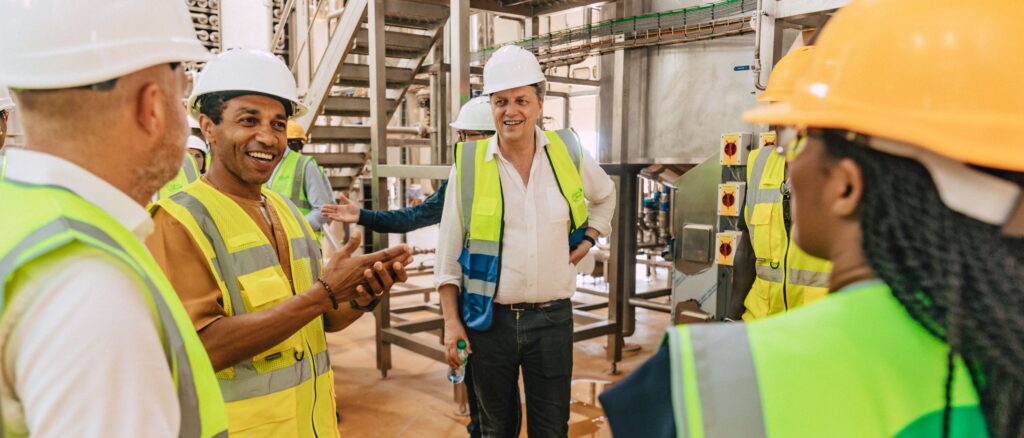
Factory visit with Antoine de Saint-Affrique, CEO of Danone.
The critical role of investors–and the scarcity of local funding
To support this growth, the Laiterie du Berger relies on international investors, including Danone, Amundi, and Crédit Agricole’s Grameen fund. Financing remains a structural challenge. “There is virtually no local financing in Africa—it’s almost impossible,” Dani Garbarz notes. He plays a key role here through his investment vehicle, Holding du Passage. “With this holding company, my goal is to replicate the Laiterie’s model across other industries in West Africa”—an investment platform designed to help build an industrial ecosystem where it is still lacking.
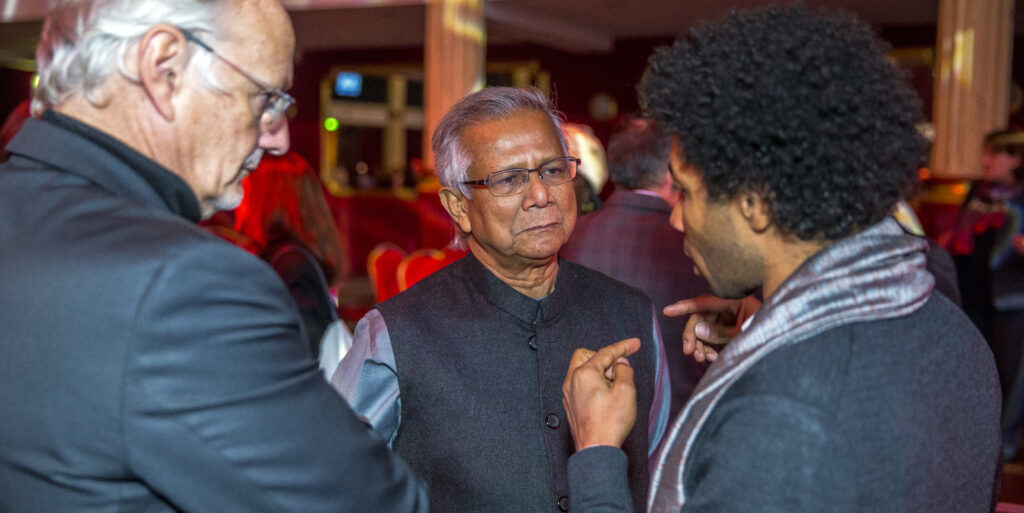
Discussion with Jean-Michel Severino (left), former CEO of the French Development Agency (AFD) and Managing Partner at I&P, and Muhammad Yunus (center), Bangladeshi economist and founder of Grameen Bank, the world’s first microcredit institution.
An ecosystem of 1,000 people
Today, the Laiterie du Berger extends far beyond a single company. “There are now around 1,000 employees, and more than 8,000 herder families selling their milk—it’s a whole ecosystem.” From milk collection to distribution, an entire logistics chain has been developed—trucks, motorbikes, bicycles—leveraging every possible channel. A deeply rooted local network serving a simple objective: produce and consume locally.
From yogurt to ice cream
Under Senegal’s sun, ice cream is more than a treat—it’s a daily refreshment, a consumer reflex, and a business opportunity. The Laiterie du Berger understood this early on and invested in an existing small operation, with an ambitious vision: turning expertise into industrial success. “This plant uses the fat from our milk—it’s a natural extension of the ecosystem.” This is where Kood comes in. The young brand produces and distributes ice cream and frozen yogurt in a variety of flavors—vanilla, chocolate, bouye—under the name Milky, across different regions of Senegal.
The company is still small, but its potential is significant. “With the Laiterie’s methods, Kood could grow to €5–10 million within five years.” The secret remains the same: test, refine, perfect. “We’ll run it through user testing until we find the perfect recipe.” A data-driven mindset—applied rigorously to the indulgent world of food.
Beyond products, a broader model is taking shape. “We aim to invest in industrial companies that create synergies with the Laiterie du Berger,” Dani explains. The objective: build an integrated ecosystem, from animal feed to logistics. “There are many essential components required for a well-functioning ecosystem.” One constant remains: never compromising on impact, a principle embedded in Baba’s DNA. “LDB is B Corp certified—our other investments must meet the same standards,” Dani says, echoing his partner’s ethos. “He is as comfortable with Fulani clan leaders as he is with investors.” It was he who convinced herders first, then international investors and industrial partners such as Danone—a vital bridge-builder in a project of such hybrid nature.
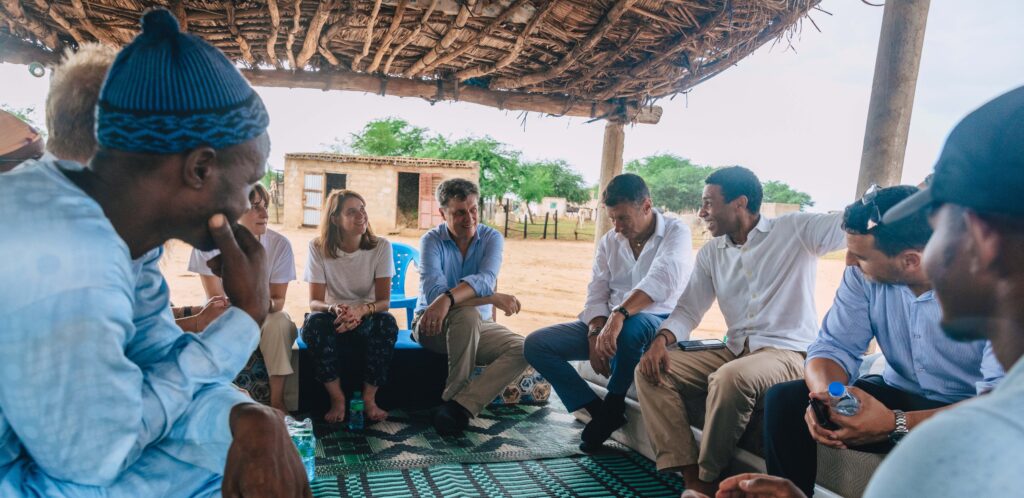
At its core, the Laiterie du Berger embodies a different approach to business—one where economic performance and social impact are not in opposition, but mutually reinforcing. “Simply existing is already an achievement,” Dani reflects. In a constrained environment, every step forward is hard-won. Behind this success runs a consistent thread: the ability to build long-term solutions—quietly, patiently, and far from the spotlight.
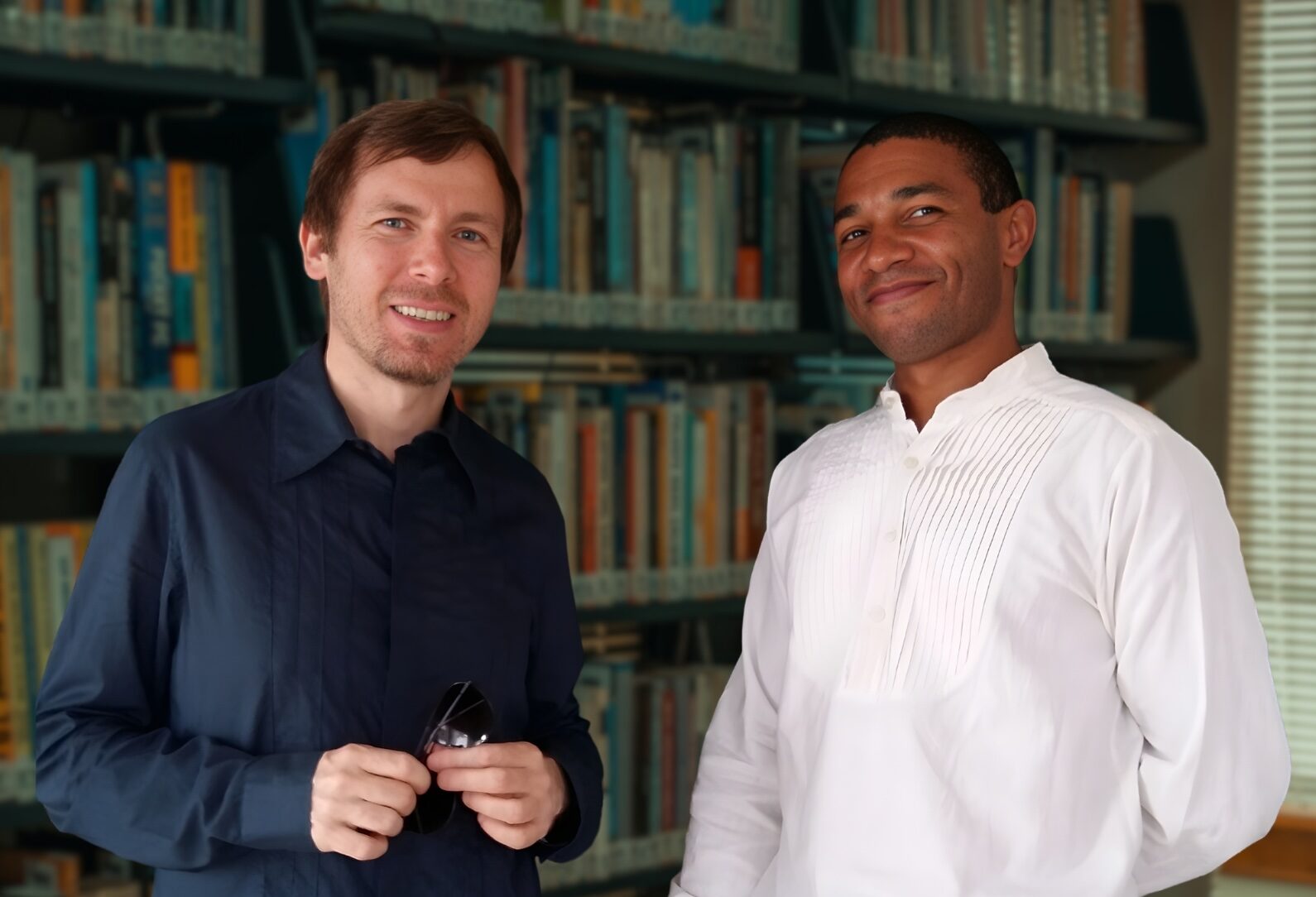
Dani Garbarz (H.95) and Bagoré Bathily,
co-founders of the Laiterie du Berger.
Photographs : © Patrick Willocq – Aldi Diassé

Published by Daphné Segretain