
Claire Tavernier (H.95): “In the media, those who progress are those who aren’t afraid to try”
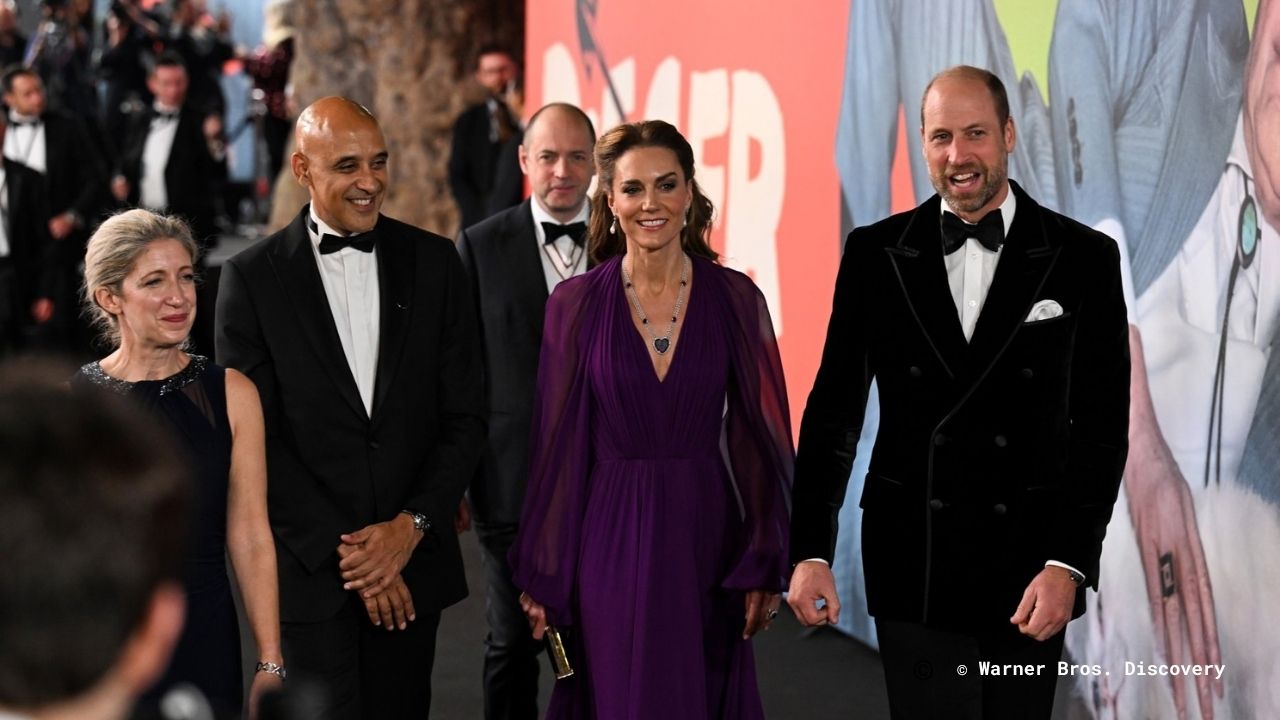
Claire Tavernier has spent her career supporting the transformations of the media industry. A digital pioneer at Fremantle, where she notably worked on formats such as American Idol and Peppa Pig, she is now interested in AI, governance and the future of work. At the helm of The Film and TV Charity, she recently had a front-row seat at the Royal Film Performance of Digger, a feature film by Mexican director Alejandro González Iñárritu, alongside Tom Cruise, Prince William and Princess Catherine.
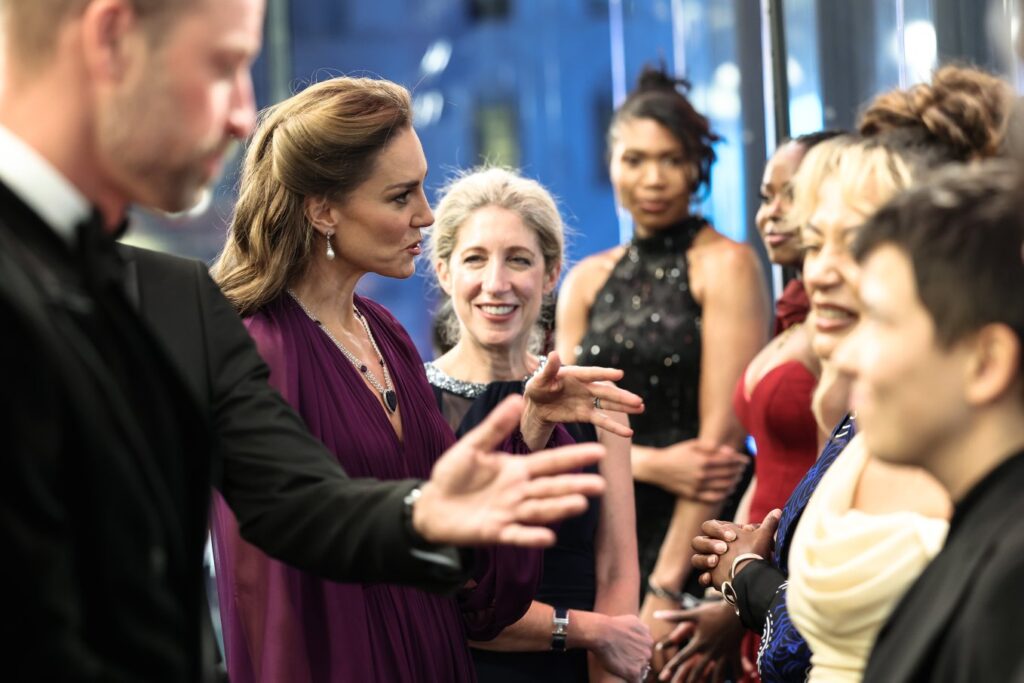
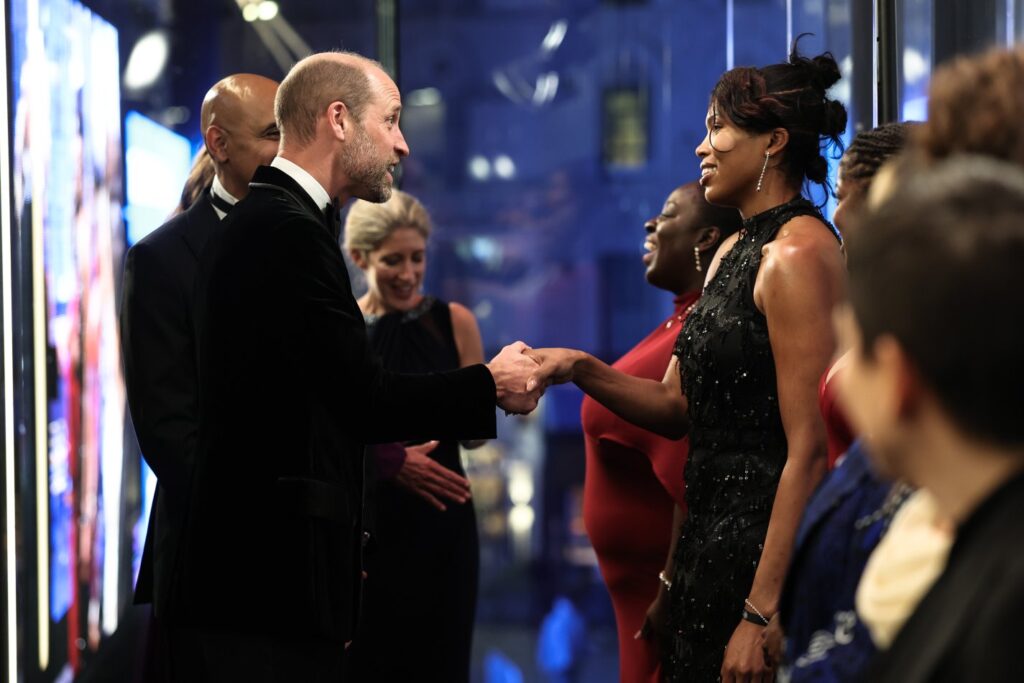
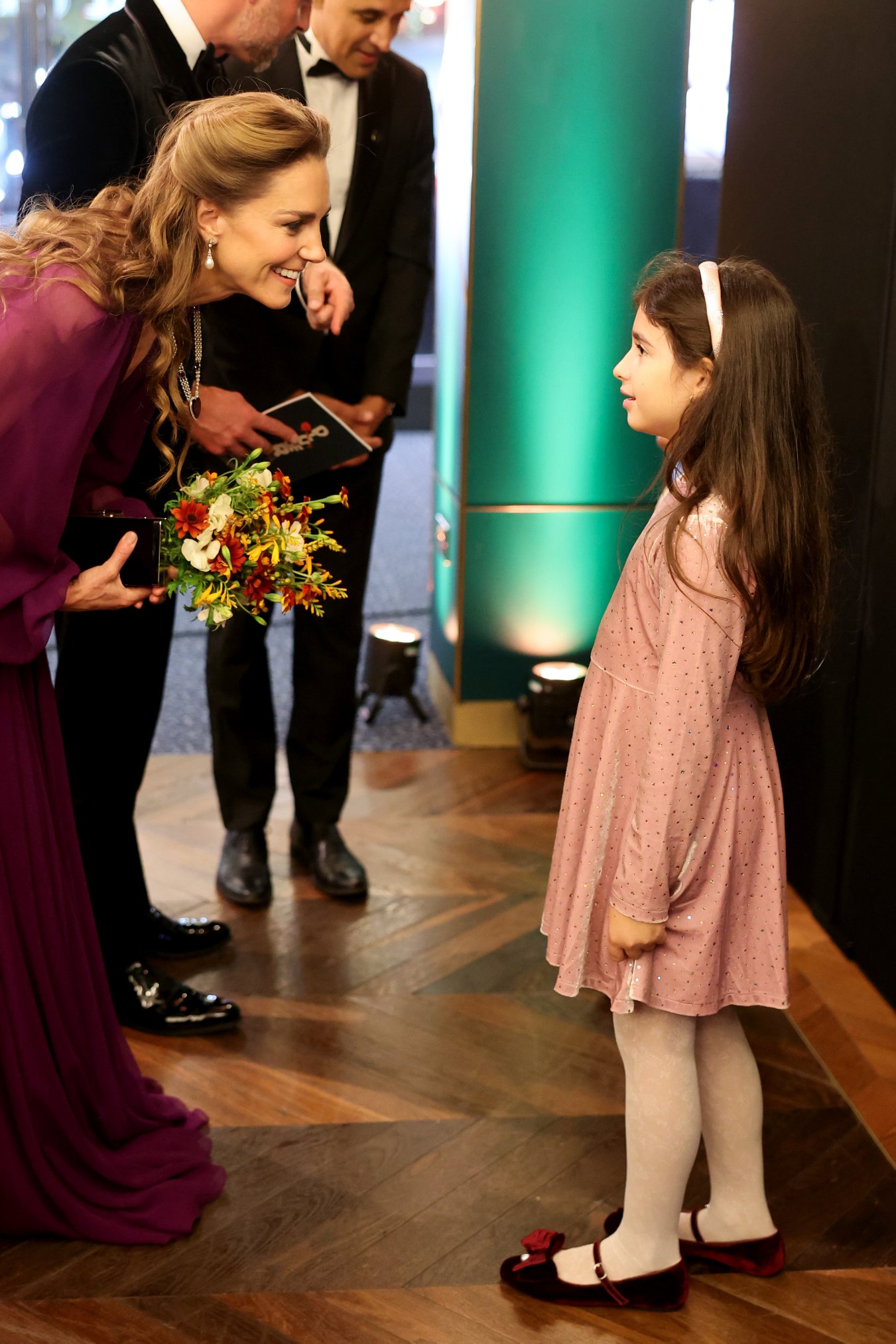
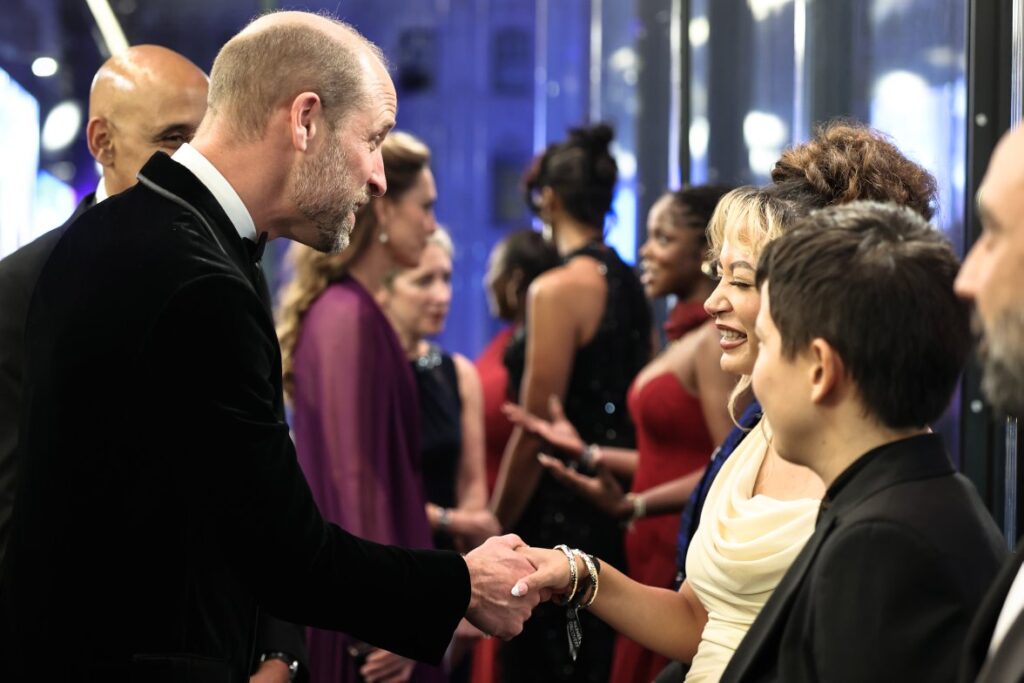
The scene could have come straight out of a screenplay. In a London cinema, the Odeon Luxe in Leicester Square, Tom Cruise, Prince William and Princess Catherine are gathered for the screening of Digger. Alongside them, Claire Tavernier welcomes members of the Royal Family, introduces the actors and speaks with beneficiaries of The Film and TV Charity, a British charitable organisation that supports professionals working in film and television, whose Board of Trustees she chairs. A highly formal annual event whose significance extends far beyond the red carpet: the proceeds help fund the work of this century-old organisation. “The way it works in terms of protocol is that the Chair of the Board and the CEO are the two hosts for the members of the Royal Family who attend,” she explains. After the official welcome comes the “line-up”: the stars of the film, followed by around fifteen people who have worked with the charity or benefited from its services. “We would take each person one by one: this is what they do for a living, this is why they are part of this.”
An impressive experience that Claire Tavernier recounts in a professional and cheerful way following the previous evening’s event. She particularly remembers the attention the royal couple paid to the people they met. “They were engaged, warm, asked relevant questions and smiled naturally.”
Behind the glamour of this major premiere, Claire Tavernier is well acquainted with the less visible realities of the industry. The Film and TV Charity has gradually moved away from its historic mission, created more than a century ago to help elderly or injured professionals, to focus on those working in the sector today. Among the main issues are financial insecurity, but also mental health. “In the world of film and television, there are still significant power imbalances, with stars on one side and people just starting out on the other,” she explains. Budget pressures and time constraints can make working conditions difficult. And because professionals are often freelancers, they do not always have the structures they need to report a problem. The charity has therefore set up a confidential helpline allowing professionals to find out where to turn. It also works upstream, providing training for teams to better identify harassment or understand how to respond when someone reports a difficulty. “Most people are kind and well-intentioned,” the alumna points out. But organisations must also give themselves the means to prevent situations that can go wrong.
Watching digital arrive
This focus on changes in the world of work may be one of the common threads running through her career. A 1995 graduate, Claire began her career in consulting, after spending a year and a half in Hong Kong. But very quickly, she realised that something was changing in the media. She joined a company specialising in professional publishing, among other areas, at a time when the Internet was beginning to profoundly disrupt the press and publishing industries. “I had understood that digital was going to profoundly transform the media industry,” she recalls. Having always been passionate about technology, she quickly specialised in these new media.
A few years later, she joined Fremantle, where she would spend twelve years and become Global Head of Digital. These were the early days of the digital revolution. In the UK, The X Factor and Britain’s Got Talent were enjoying enormous success. Internationally, formats were expanding and digital platforms were beginning to become essential.
Her role notably involved imagining how these major franchises could be extended across new media. “Digital was naturally very much” integrated into these formats, she explains. The teams worked with YouTube and other platforms to invent new ways of using content. The change was not simply about adding a digital layer to television. The entire relationship between brands, content and their audiences was being transformed.
Her experience with children’s programmes, including Peppa Pig, gave her a particularly concrete illustration of this. “You shouldn’t try to make them do something they didn’t want to do,” she sums up. Children were already on YouTube: the challenge was therefore not to steer them away from it, but to create an appropriate environment, particularly to reassure parents. “There are things you have to understand and then accept,” she explains. A lesson that extends far beyond the media industry: when technology transforms behaviours, the challenge is not necessarily to fight against these new habits, but to understand how to support them.
From digital to AI
Claire Tavernier has long since changed perspective. After Fremantle, she worked on various projects in media and digital, joined boards of directors and supported organisations through their transformation. Her career also led her into the non-profit sector and to projects focused on the impact of media on behaviours and social norms. She notably worked at Girl Effect, an organisation that uses media, series, music and digital platforms to change gender norms among young girls in Africa and Asia. An experience that took her as far as Rwanda and Nigeria.
Today, one of her major areas of focus is artificial intelligence. She has served in several organisations facing these new challenges and is now working on how emerging technologies will transform jobs in film and television.
Her view of AI is both enthusiastic and cautious. With her extensive knowledge of the media industry, she anticipates considerable efficiency gains in audiovisual production: fewer people needed at certain stages, faster processes and tools capable of multiplying technical possibilities. “We’re going to see things that aren’t necessarily visible to the naked eye, but that make production more efficient.” She gives the example of sport, where technology already makes it possible to multiply camera angles and produce slow-motion footage or extremely sophisticated images.
In cinema, this development could notably make lower-budget films more accessible. “At the moment, it’s very difficult to make something on a small budget: either you make The Odyssey, or it’s difficult,” she observes. AI could therefore also help broaden creative possibilities by reducing certain production costs.
But she does not believe this means the disappearance of human creativity.
“If I’m looking for the right content, original content, something we wouldn’t have been able to see elsewhere, AI will be there for the processes, but not for the creative process.”

Published by Daphné Segretain