
Aika: At the Crossroads of Art, Luxury and Innovation
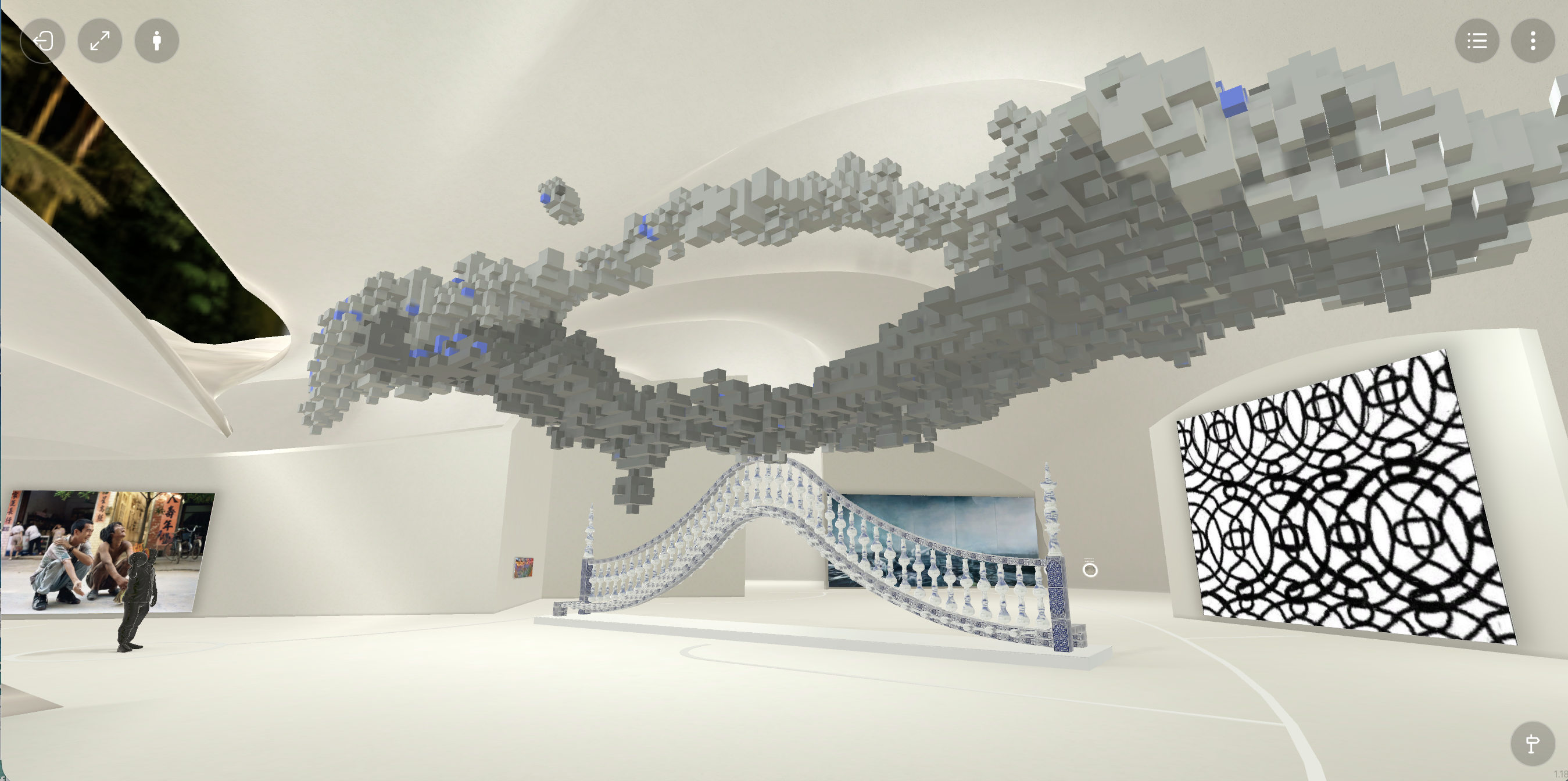
Co-founded by Aimie Ferry-Sauvaire, who previously worked at L’Oréal, and Karen Levy, whose background is in the art world, Aika helps brands and cultural institutions develop artistic and digital projects. From virtual reality experiences to collaborations with luxury houses, this consulting platform aims to transform the way people experience art, without setting physical creation against technological innovation.
Two Complementary Backgrounds Bringing Art and Luxury Together
Childhood friends who first met at École alsacienne, Aimie Ferry-Sauvaire (HEC Executive Education 2018) and Karen Levy decided to combine their expertise to create Aika. Aimie spent seven years at L’Oréal, including a period in China, working in innovation and marketing before joining the group’s Paris headquarters. Karen grew up in an environment of collectors of contemporary Chinese art and went on to work at auction houses.
What do they have in common? A keen interest in China and a shared belief that art and innovation can enrich one another. After gaining experience in major organizations, the two entrepreneurs decided to launch their own venture. “We created a consulting platform focused on art and innovation,” explains Aimie Ferry-Sauvaire.
Today, Aika’s activities revolve around two main areas: designing immersive artistic experiences using new technologies and helping brands develop collaborations with contemporary artists.
For luxury houses, art is far more than a communications tool. It offers a way to express a brand’s identity, refresh its visual universe and build a distinctive relationship with customers. Aika supports these projects at various stages, from artist selection and artistic direction to the creation of exclusive works, packaging and events for collectors and VIP clients. The challenge is to create a meaningful connection between a brand’s world and an artist’s vision, without reducing the artist to a mere vehicle for brand image. The work must retain its individuality while resonating with the company’s history and values.
Aimie Ferry-Sauvaire’s experience in the luxury sector, combined with Karen Levy’s knowledge of the art market, enables Aika to position itself at the intersection of two worlds that share a particular commitment to creativity, exclusivity and the transmission of cultural heritage.
Technology: A New Gateway to Art
Aika’s first area of focus is immersive experiences. The company works with museums, galleries, artists and brands to create digital environments in which audiences can explore artworks in new ways, notably through virtual reality. “We create an experience, an immersive journey into the artwork,” says Aimie Ferry-Sauvaire. The aim is not simply to reproduce a painting on a screen, but to design a journey that transforms how people discover it. Aika’s teams work with technology partners, ranging from hardware manufacturers to developers from the video game industry, while placing the selection of artists and artistic direction at the heart of each project.
The company has developed content for an immersive space at the Shenzhen Museum in China. In France, it has also presented experiences at the Musée national des arts asiatiques – Guimet in Paris as part of the European Heritage Days. According to Aimie, these presentations attracted around 300 visitors a day.
Aika also works with artists whose creations are conceived directly using digital tools, including video, three-dimensional environments and works designed for virtual reality. They include Krista Kim, a digital artist whose work explores the connections between creativity, perception and well-being.
These emerging practices raise questions about the role of digital technology in cultural institutions. How can exhibition experiences be reimagined? How can museums attract new visitors and make artworks accessible to wider audiences? In Aimie’s view, the art world is now undergoing a transformation comparable to those that have already reshaped the music and film industries.
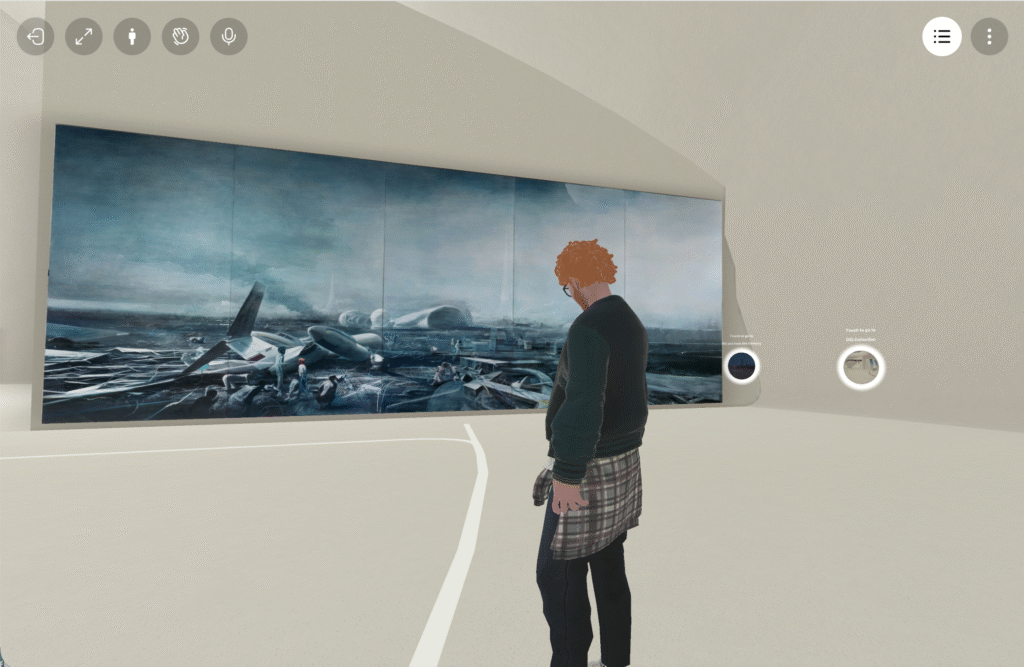
Some experiences are designed exclusively for visitors to discover in a museum. Others can be accessed remotely, from a computer or smartphone, in virtual worlds that visitors explore through avatars. Technology can thus overcome certain geographical barriers and create more opportunities for people to engage with artworks.
This broader access does not mean that digital experiences should replace physical ones. “We always talk about ‘phygital’,” the co-founder emphasizes. The idea is to combine both approaches: a digital experience can extend a museum visit, enrich the discovery of an artwork or inspire people to visit a cultural institution in person. Technology must serve an artistic purpose and evoke emotion. Aika aims to develop its projects within this balance between technological innovation and creative integrity.
Artistic Collaborations to Reinvent Brand Identity
Aika’s other main area of activity is helping brands collaborate with artists. The company works with the L’Oréal Group on its artistic strategy and corporate art collection, bringing in contemporary artists to create original works. It also develops projects involving packaging, visual identities and product launches.
These initiatives can take on an international dimension, particularly in China, where both founders have in-depth knowledge of the market and its cultural players.
Aimie Ferry-Sauvaire cites Aika’s work supporting Isabel Marant’s entry into the Chinese market. The fashion brand wanted to partner with a Chinese artist to develop a proposition tailored to its local presence. Aika helped shape a collaboration featuring colorful, luminous artworks, whose motifs were adapted for some of the fashion house’s signature pieces, including its iconic wedge sneakers.
The project extended beyond the products themselves: physical artworks by the artist were also presented at events for VIP guests. The collaboration thus brought together artistic creation, brand experience and engagement with Chinese audiences.
Innovation also plays a role in the creative process itself. For certain projects involving Carita, Aika worked with artists who used artificial intelligence and data as creative materials, before translating their explorations into physical formats. This approach brings digital tools into dialogue with tangible objects without confining the artwork to a single medium.
For luxury brands, such collaborations can help refresh their expression and place their heritage within a broader cultural context. They nevertheless require substantial groundwork: identifying the right artists, respecting their creative approach and developing projects that have meaning beyond their immediate visibility.
Aimie Ferry-Sauvaire’s career also reflects the growing importance of these issues in corporate strategy. When she attended an executive education program at HEC while still working at L’Oréal, digital applications played a very different role in her professional life. She explains that she gradually incorporated them into her work, eventually making them one of the cornerstones of her entrepreneurial venture.
Her connection with the HEC ecosystem has continued through initiatives bringing together technology professionals, entrepreneurs and cultural practitioners. These exchanges fuel discussions about ongoing transformations and new ways of sharing and transmitting art.
Ultimately, Aika’s mission is to make art accessible to wider audiences while preserving its artistic rigor. “We make it very accessible,” says Aimie Ferry-Sauvaire of the company’s projects. Whether it is a virtual experience, a work commissioned for a corporate art collection or a collaboration with a luxury house, the goal remains the same: to create a lasting connection between art, brands and their audiences.
t a time when technology is reshaping the ways art is created and shared, Aika is betting that innovation only has real value when it serves the artistic vision. Rather than setting the physical against the digital, or heritage against novelty, the company seeks to bring them together to imagine new cultural experiences.

Published by Daphné Segretain